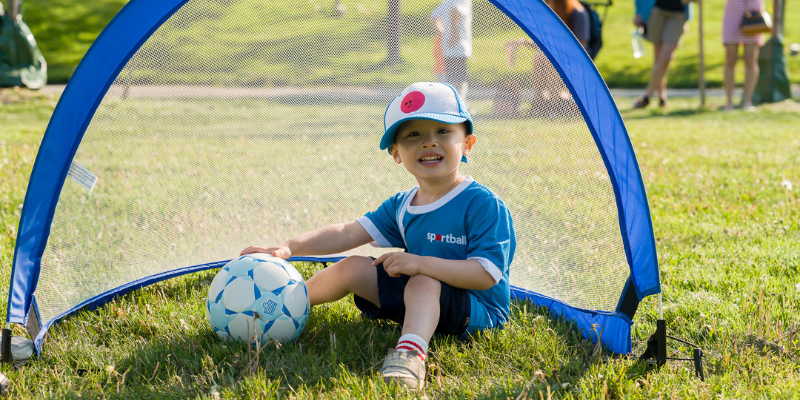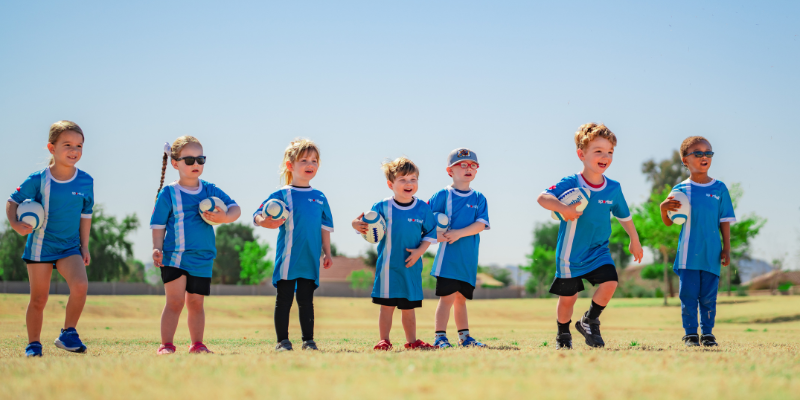

When it comes to raising confident, capable kids, most parents intuitively understand the importance of literacy. We read to our children before they can talk. We start with simple picture books, repeat familiar stories and gradually introduce more complex language as their skills grow. No one expects a six-year-old to pick up an adult novel and just “figure it out,” and yet, when it comes to physical activity, that’s often exactly what we do.
The Gap in How We Teach Movement
In much of North America, children are introduced to sport by being placed directly into organized games – soccer, basketball, baseball – often with little to no foundational skill development beforehand. We expect them not only to participate, but to keep up, perform and sometimes even compete.
Imagine applying that same approach to reading – handing a child a chapter book on day one of first grade and hoping they succeed. It sounds unreasonable, because it is. In education, this concept is known as scaffolding: building skills progressively, in developmentally appropriate stages. It’s how children learn best, and it’s how we approach literacy almost without thinking – but when it comes to physical literacy, the ability to move with competence and confidence, we often skip the scaffolding entirely.
Why Physical Literacy Matters More Than Ever
This isn’t just about sports performance. Physical literacy is foundational to lifelong health and well-being, and the data makes that clear. Research shows that children with higher physical literacy scores also demonstrate better cardiovascular fitness, healthier body composition and even improved quality of life. In fact, physical literacy has been significantly linked to key health indicators like aerobic fitness and blood pressure, reinforcing that movement skills aren’t just “nice to have.” They directly impact a child’s health.
There’s also a strong connection between physical literacy and participation. One large study found that children with higher physical literacy were consistently more active over time, while those with lower skill levels were far less likely to engage in physical activity.
Here’s the bigger concern: many kids aren’t moving enough to begin with. Globally, a significant portion of children fail to meet recommended daily activity levels, meaning they’re missing out on critical physical and developmental benefits. That gap matters, because children who don’t feel confident moving are far more likely to disengage early. When movement feels hard, confusing or embarrassing, kids don’t push through it. They opt out.
It’s Not Just Physical. It’s Brain Development, Too
Physical literacy doesn’t just shape bodies. It shapes brains. Active children tend to show better cognitive skills, stronger academic performance and improved focus. Studies have even found links between physical activity and executive function skills like memory, attention and decision-making, which are essential for success in school and life. In other words, movement isn’t a break from learning. For young children, it is learning.
Learning to Move, Step by Step
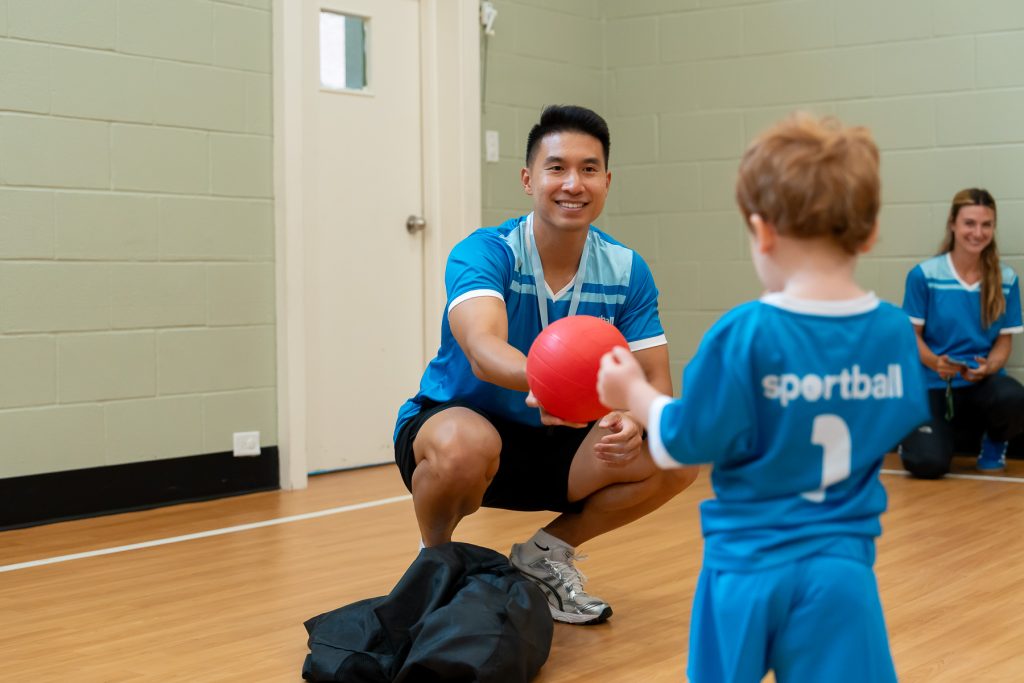
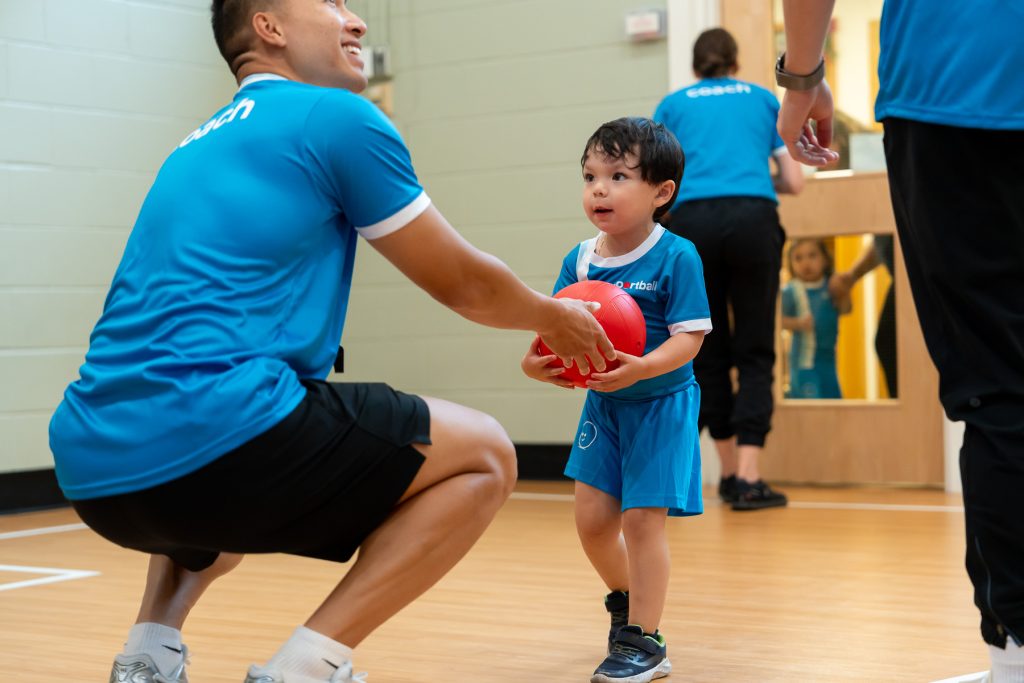
Now, imagine if we treated the development of physical literacy the same way we treat learning to read. We would start early, long before organized sports enter the picture. Movement would begin with simple, playful activities designed for young bodies and developing minds. Think running, jumping, balancing, throwing – not “playing the game,” but learning the building blocks that make playing possible.
This approach works. Research on physical literacy programs shows meaningful improvements across multiple areas, including physical competence, confidence and overall activity levels when kids are taught skills progressively. Parents would be part of the process, just like reading together at bedtime. This shared experience builds trust, confidence and a positive association with movement. As children grow, the complexity would increase:
- More coordination
- More structured activities
- Gradual introduction to rules and gameplay
By the time they step into organized sports, they’re not overwhelmed. They’re ready.
It’s Not Just Physical. It’s Social, Too
There’s another important layer that often gets overlooked: social development. Learning to move isn’t just about muscles and coordination. It’s also about:
- Taking turns
- Listening and following instructions
- Managing emotions like frustration or excitement
- Building confidence through small wins
When children experience early success in a supportive environment, they’re more likely to stick with it, and that matters, because confidence is one of the strongest predictors of whether kids stay active long-term.
A Different Way Forward
Reframing how we think about physical literacy can have a profound impact on how our children experience movement for life. Instead of asking, “What sport should my child play?,” we might start with, “What skills does my child need to feel confident moving?” Instead of focusing on performance, we focus on progression. Instead of competition, we prioritize competence and joy, because just like reading, movement is a lifelong skill, and every child deserves the chance to learn it the right way.