
If you’re thinking about owning a sports franchise, one of your first questions is probably pretty straightforward:
How much does it actually cost?
The less straightforward answer? It depends on the kind of sports business you want to build.
Sports franchising covers a surprisingly wide field. There are kids sports franchises, competitive youth leagues, single-sport programs, multi-sport programs, fitness concepts, and even brick-and-mortar sporting goods stores. Their startup costs can look very different.
Some sports franchises can be launched for well under $100,000, while facility- or retail-based concepts can require several hundred thousand dollars in initial investment.
Understanding why those numbers vary and what you’re actually getting for your investment is an important part of finding the right franchise for you.
What Sports Franchises Can You Buy?
When most people hear “sports franchise,” their mind may jump to a professional sports team. Fortunately, you don’t need an NBA-sized bank account to own a business in sports.
Sports franchise opportunities can include:
- Kids sports and enrichment programs, including multi-sport and physical literacy programs
- Single-sport franchises, such as soccer programs
- Competitive youth sports leagues
- Sports camps and instructional programs
- Fitness and athletic development businesses
- Sporting goods and equipment stores
The business model behind each one has a big effect on startup cost.
A mobile kids sports franchise, for example, may run programs from schools, parks, daycares and community facilities instead of owning a dedicated building. A sporting goods franchise, on the other hand, needs retail space, inventory, fixtures and potentially a substantial buildout.
That difference can add hundreds of thousands of dollars to the initial investment.
What Is the Initial Franchise Fee?
Your initial franchise fee and your total startup investment are not the same thing.
The franchise fee is generally the upfront amount you pay for the right to operate under a franchisor’s brand and system within the terms of your franchise agreement.
Depending on the franchise, that can give you access to things such as:
- The brand and trademarks
- An established business model
- Operating systems and playbooks
- Training and onboarding
- Proprietary curriculum or programs
- Marketing resources
- Technology and software
- Ongoing business support
Think of it as buying into the playbook rather than having to write the whole thing yourself.
Your total initial investment, meanwhile, accounts for the other expenses required to get your local business up and running.
Breakdown of Total Startup Costs
So where does the rest of the money go?
While every franchise is different, a sports franchise startup budget will commonly include some combination of the following expenses.
Equipment and supplies. Balls, nets, cones, uniforms, coaching equipment, office supplies or inventory can all form part of your opening investment. The amount varies enormously depending on whether you’re running community programs or stocking an entire retail store.
Launch marketing. Your first customers need to find you. Franchisees may need a budget for digital advertising, local promotions, signage, community partnerships and grand-opening campaigns.
Insurance. Sports businesses typically require appropriate business and liability insurance, with requirements varying according to the programs offered and the local market.
Professional fees. Legal and accounting support should also be factored into your budget as you review your franchise agreement, establish the business and get your financial systems in place.
Training and travel. Some franchisors provide in-person training, meaning travel and accommodation may need to be included in your startup budget.
Technology. Registration systems, scheduling software, payment platforms and other business technology may involve setup or ongoing costs.
Working capital. Finally, don’t forget the money required to actually operate the business while you’re building your customer base. Your financial plan should account for payroll, venue expenses, marketing and other overhead during your ramp-up period.
It’s recommended planning for the first three to six months of operation when thinking about working capital.
Sportball Franchise Startup Costs Explained
So where does Sportball fit?
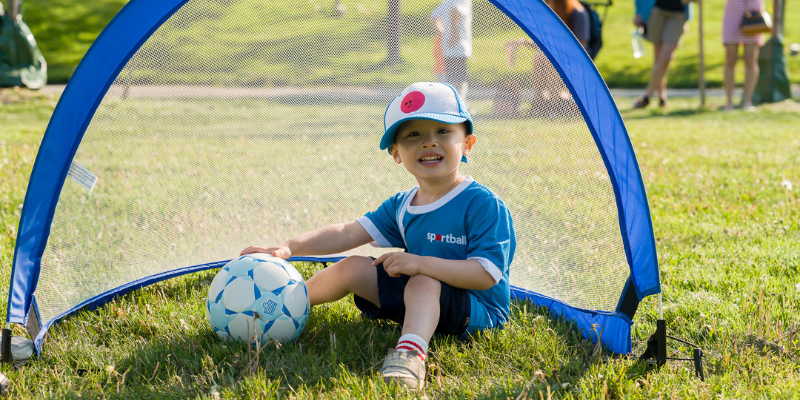
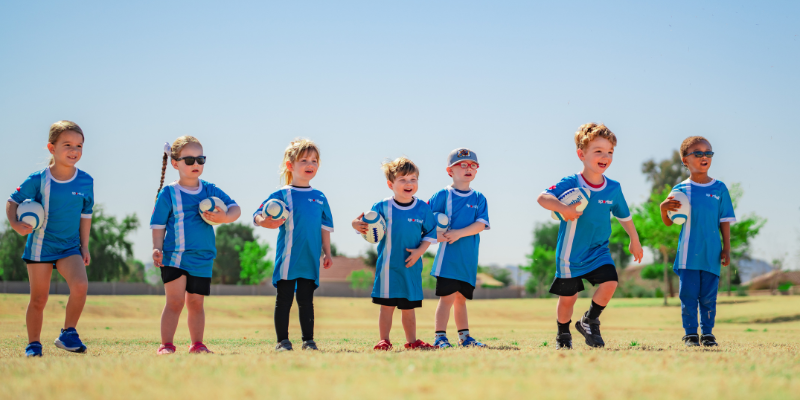
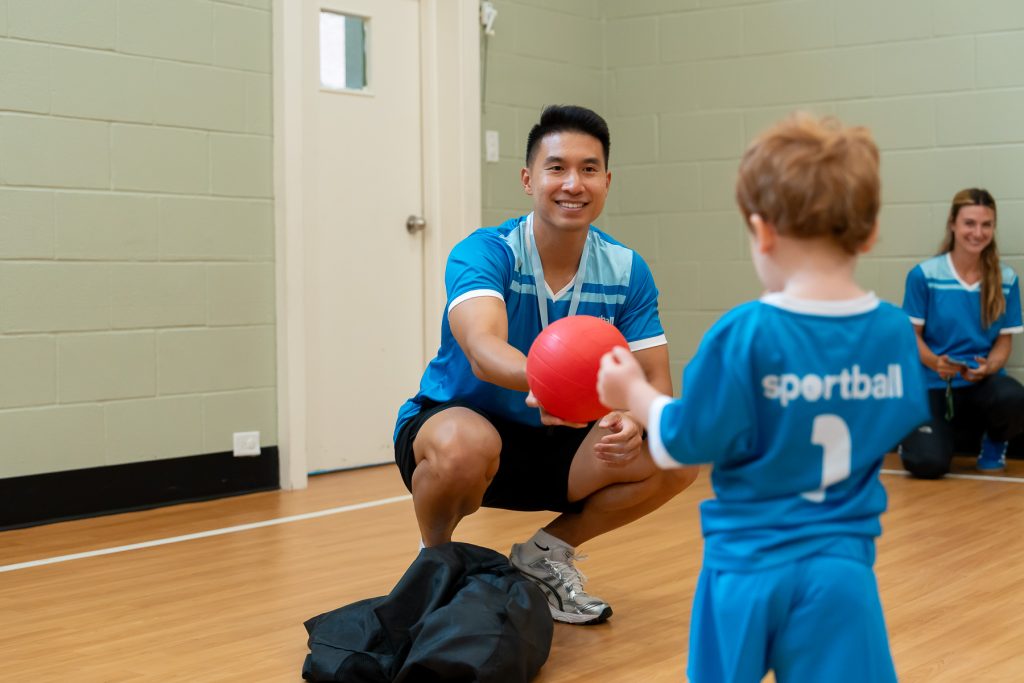
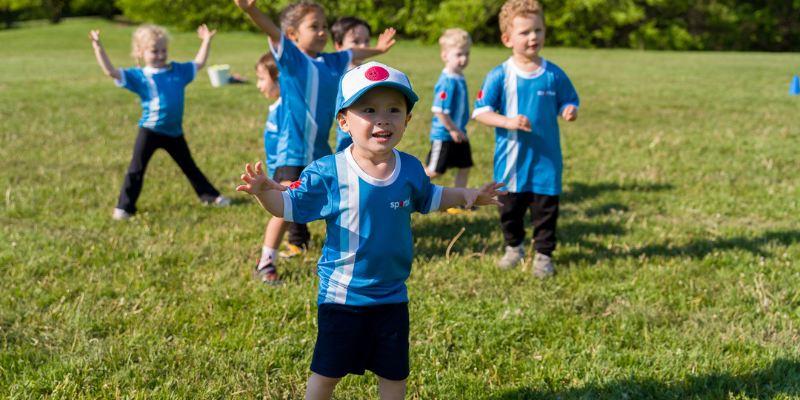
Rather than specializing in one sport or running competitive leagues, Sportball introduces children from 16 months to 12 years old to a broad range of sports and movement skills through developmentally appropriate programming. The business has more than 30 years of experience doing so and currently operates across four countries.
The estimated startup investment for a Sportball franchise is currently $80,000–$112,000 depending on territory size, covering startup items including franchise fees, pre-launch marketing, rental and utility deposits, initial insurance payments, working capital and the Sportball equipment package.
Importantly, Sportball doesn’t require franchise partners to open a permanent sports facility, which means sizeable savings to get the ball rolling. Programs can take place in parks, gyms, schools, childcare centres and other community spaces. That helps keep fixed overhead lower and makes growth less dependent on investing in additional bricks and mortar.
Instead, growth can come from adding coaches, opening more programming hours, partnering with additional venues and reaching more families across the territory.
And you’re not expected to figure all of that out alone. Sportball franchise partners receive in-person training through an eight-week launch program with ongoing support from a dedicated Growth Coach, marketing resources, technology, registration tools and established operating playbooks.
In other words, you’re not simply buying some balls, cones and a logo. You’re investing in the systems behind the business.
A Look at the Sportball Franchise Startup Costs
| Item | Estimated Cost | Method of Payment | When Due | Pay to: |
| Franchise Fee | $60,000 | Lump sum | On signing the Franchise Agreement | Sportball |
| Rent deposit, prepaid rent, utility and phone deposits | $250–$2,500 | As arranged | As arranged | Third parties |
| Office supplies and equipment | $3,000–$6,000 | As arranged | As arranged | Vendors |
| Sportball equipment package and clothing | $2,000–$5,000 | Lump sum | As incurred | Vendors |
| Travel and living expenses while training | $3,500–$7,000 | As arranged | As arranged | Hotels, airlines, etc. |
| Pre-opening payroll | $5,000–$10,000 | As arranged | As arranged | Coaches, employees |
| Initial advertising and promotional materials | $5,000–$10,000 | As arranged | As arranged | Vendors |
| Insurance | $2,000–$3,000 | As arranged | As arranged | Insurance providers |
| Additional funds – 3 months | $1,000–$5,000 | As arranged | As arranged | Vendors |
| Professional fees | $2,000–$2,500 | Lump sum | Upon signing Franchise Agreement | Lawyer, accountant, consultant |
| Permits and licences | $200–$1,000 | Lump sum | As incurred | Government |
Understanding Ongoing Franchise Fees
Your initial investment gets you onto the field. There are also ongoing costs to consider once you’re operating.
Most franchise systems charge a royalty fee, commonly calculated as a percentage of gross sales. This helps fund the franchisor’s ongoing systems, training, operational support and brand development.
There may also be an advertising or brand fund contribution, along with technology, software or other system-specific fees.
At Sportball, for example, the currently published ongoing fees are an 8% royalty fee plus a 2% ad fund fee on gross sales.
Those fees should be considered alongside your normal operating expenses, which may include coach payroll, facility rentals, local marketing, insurance and equipment replacement.
That’s why comparing franchises based on the initial franchise fee alone doesn’t tell you much. The better question is: What does the entire business cost to launch and operate, what systems and support are included in return, and what value are receiving out the other end?
Factors That Influence Franchise Price
Why might one sports franchise cost $60,000 while another costs $400,000?
Several factors can move the number.
Territory size and market potential can affect pricing. A protected territory containing a large target population may be structured differently from a smaller market.
Real estate requirements make an even bigger difference. Businesses that need a permanent gym, training facility or retail storefront generally require substantially more capital than mobile businesses using existing community spaces.
Equipment and inventory requirements matter too. A kids program may need relatively portable sports equipment, while a sporting goods retailer needs enough inventory to fill a store.
Then there’s the level of support provided by the franchisor. Training, technology, curriculum, marketing resources, business coaching and operating systems all form part of the franchise proposition.
The goal isn’t necessarily to find the cheapest sports franchise. It’s to understand what you’re investing in and whether the economics fit your goals.
Non-Competitive vs. Competitive Program Costs
There’s another important distinction within kids sports franchising: competitive versus non-competitive programming.
Competitive leagues can involve expenses such as dedicated field rentals, referees, uniforms, league administration, game-day operations and specialized equipment.
Non-competitive, skills-based programs can operate differently.
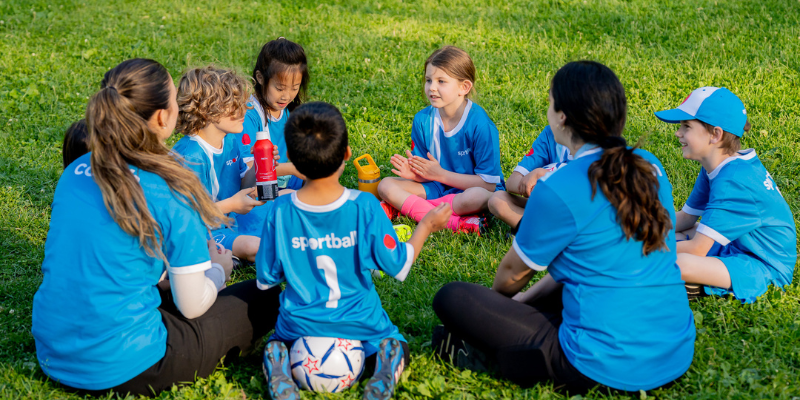
Classes can often be delivered in existing schools, parks, gyms, childcare centres and community facilities. Rather than investing in a dedicated facility, the business can rent space as required and add coaches and programming as demand grows.
That creates a more variable cost structure: costs can scale alongside the business rather than requiring all of the infrastructure upfront.
Sportball’s model follows this approach. Programs operate in community spaces rather than requiring franchise owners to build a dedicated brick and mortar Sportball facility.
Is a Sports Franchise Right for You?
Cost matters. But it shouldn’t be the only number on your scoreboard.
Before choosing a sports franchise, look at the complete model: initial investment, ongoing fees, fixed overhead, territory, support, scalability and—most importantly—the kind of business you actually want to build.
A lower startup cost can reduce the barrier to business ownership, but every franchise still requires capital, leadership and plenty of work to grow.
If you’re looking for a kids sports franchise built around community impact, a scalable operating model and more than three decades of experience, Sportball might be worth exploring.