
At a glance:
- Soccer continues to lead as one of the most popular sports for children, creating exciting opportunities for entrepreneurs looking to invest in a youth sports business.
- A kids soccer franchise allows you to combine your passion for sports and community impact with a proven business model designed to help children develop confidence, physical literacy, and a lifelong love of movement.
- Sportball gives children all the benefits of a soccer program with a unique multi-sport approach, think variety over single-sport exposure and building stronger athletes with better long-term outcomes. Its proven franchise model makes it a strong option for those looking to own a kids soccer franchise.
- Learn the benefits of owning a kids soccer franchise, investment requirements, training and support, and if it’s the right choice for you.
Soccer remains one of the most popular youth sports in North America, with millions of children participating every year. If you’re looking to combine a passion for sports with a business opportunity that changes lives, owning a kids sports franchise can offer that opportunity. If you want to make the greatest difference in the lives of children in your community, that may look like a multi-sport franchise, like Sportball, instead of strictly soccer programming.
The youth sports industry continues to expand as parents increasingly seek structured activities that help their children develop athleticism, confidence, social skills, and healthy habits. A well-established franchise model allows business owners to enter this growing market with the support, systems, and brand recognition needed to build a successful operation.
In this guide, we’ll explore owning a kids soccer franchise, the benefits of multi-sport vs strictly soccer approaches, investment considerations, franchisee requirements, training and support, and the steps involved in launching your own youth sports business.
Benefits of a Kids Soccer Franchise
Starting any business from scratch comes with risk. A franchise model helps reduce many of the common challenges by providing a proven framework for success.
A Proven Business Model
One of the biggest advantages of owning a kids soccer franchise is access to established systems and processes. Rather than developing programming, marketing strategies, operational procedures, and brand awareness from the ground up, franchisees benefit from a tested business model that has already demonstrated success.
This allows owners to focus their energy on growing their local business while leveraging proven best practices.
Positive Community Impact
Many business owners are motivated by more than financial success. A youth sports franchise offers the opportunity to make a meaningful difference in the lives of children and families.
By providing engaging soccer programs that encourage a lifelong love of movement, franchise owners help children develop valuable life skills while promoting healthy lifestyles within their communities. At Sportball, programming goes beyond soccer, giving children the best leg up in the lifelong love of sports.
Growing Demand for Children’s Programs
Parents continue to prioritize extracurricular activities that support both physical and social development. Soccer programs remain particularly in demand due to the popularity of the sport.
As communities continue to grow, demand for high-quality children’s sports programs remains strong, creating ongoing opportunities for enrollment and expansion.
Flexible and Scalable Growth
Many youth sports franchises offer flexibility that appeals to entrepreneurs seeking greater control over their schedules. Franchise owners can often scale operations by adding coaches, expanding territories, increasing program offerings, and developing partnerships with schools and community organizations.
This scalability creates opportunities for sustainable long-term growth. Some youth soccer franchises, like Sportball, offer the ability to operate without a brick-and-mortar location, furthering your ROI and lowering your barriers to entry.
The Non-Competitive Franchise Model Explained
While traditional soccer leagues or development programs often focus on competition, standings, and performance outcomes, successful youth sports franchises such as Sportball take a different approach. Driven by data and built to spark a lifelong love for staying active, Sportball offers soccer programming through a multi-sport lens.
Building Skills Through Play
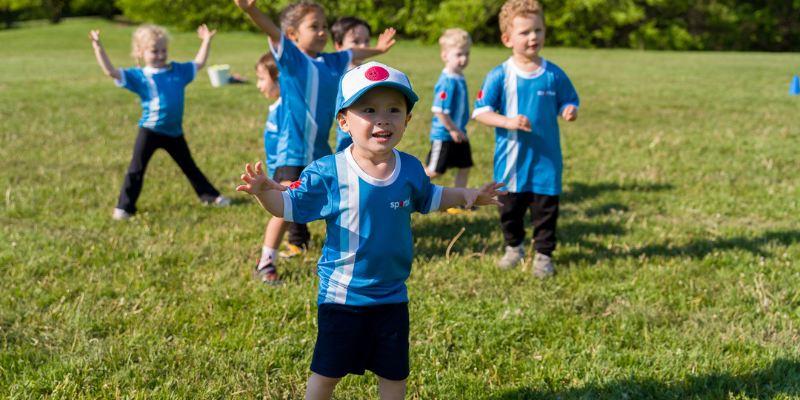
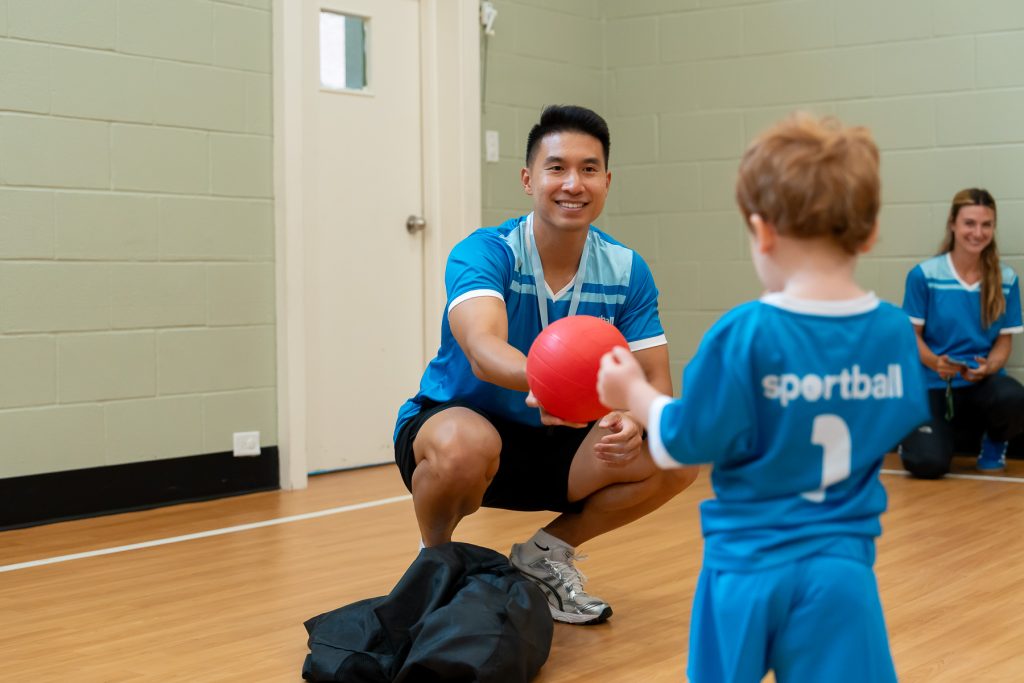
For younger children, particularly toddlers and preschoolers, the primary goal is not competition. Instead, non-competitive fun-first programs focus on developing fundamental movement skills, coordination, confidence, and a love of physical activity.
Children learn through structured play, engaging games, and age-appropriate activities designed to keep them active and excited about participation.
Why Parents Love the Approach
Parents of young children often prefer programs that emphasize personal growth rather than competitive pressure. A non-competitive environment allows children to develop at their own pace while building self-confidence and positive associations with sports.
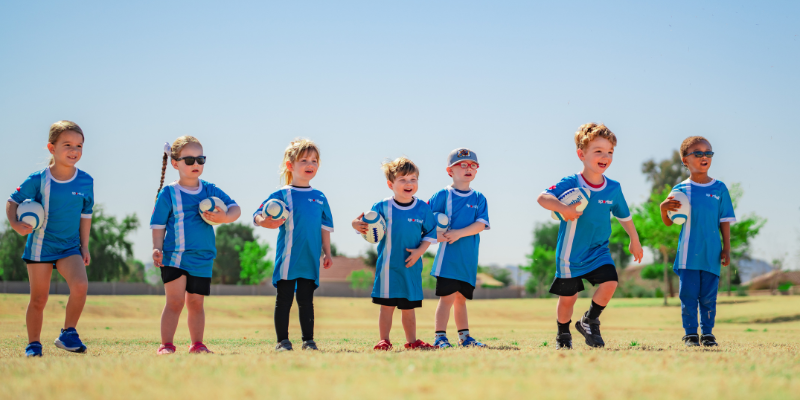
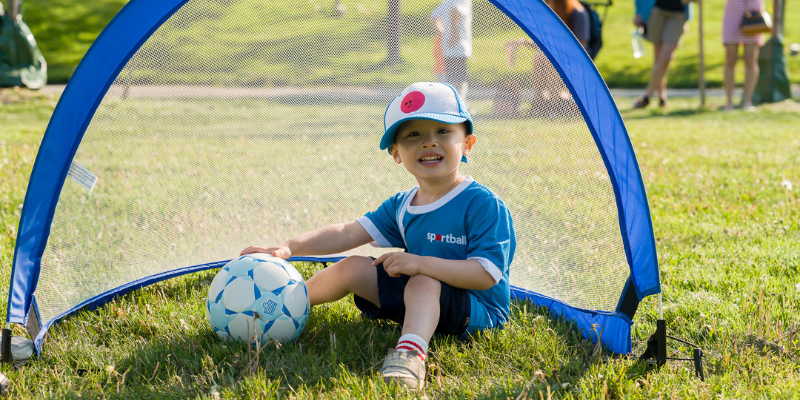
Unlike a typical soccer franchise, at Sportball, young children are exposed to a wide variety of sports including: soccer, baseball, basketball, football, tennis, volleyball, hockey and golf (and often other sports such as cricket, lacrosse and/or pickleball in select regional markets). This approach helps keep aspiring little athletes engaged in class and excited to come back each week while helping children build a variety of different movement patterns that supports their physical development.
A Unique Position in the Market
Traditional soccer organizations typically cater to competitive athletes. A non-competitive, developmental approach allows franchise owners to serve an audience of younger children and families looking for introductory sports experiences, or following the results of recent studies proving the best way to start kids in sports.
This distinct positioning helps differentiate the business from local leagues and competitive clubs.
Understanding the Initial Investment
Before investing in a kids soccer franchise, it’s important to understand the costs involved.
Franchise Fees
The franchise fee typically provides access to:
- Brand licensing
- Initial training programs
- Operational systems
- Curriculum and programming
- Marketing resources
- Technology platforms
These resources help franchisees launch with confidence and consistency.
Startup Costs
Additional startup expenses may include:
- Sports equipment and supplies
- Insurance coverage
- Marketing
- Business registration fees
- Technology and software systems
- Staff recruitment and training
The exact investment will vary depending on territory size and local market conditions.
Ongoing Fees
Most franchise systems charge ongoing royalty fees that support:
- Continued brand development
- Marketing initiatives
- Operational support
- Curriculum updates
- Technology enhancements
These fees help ensure franchisees continue to receive valuable support as their businesses grow.
Franchisee Requirements and Qualifications
Successful franchise owners come from a variety of professional backgrounds.
Passion for Children and Community
The most important quality is often a genuine passion for helping children succeed. Owners who enjoy building relationships with families, schools, and community organizations are often well-positioned for success.
Financial Readiness
Franchise opportunities typically require franchisees to meet minimum financial qualifications, which may include:
- Liquid capital requirements
- Net worth requirements
- Access to business funding if needed
These requirements help ensure owners can successfully launch and grow their businesses.
Experience Isn’t Always Required
Many prospective franchisees assume they need coaching experience or a background in sports.
In reality, many successful owners come from corporate, sales, education, healthcare, or entrepreneurial backgrounds. Strong leadership, communication skills, and a willingness to follow proven systems are often more important than previous coaching experience. You can take a closer look at kids soccer franchise owners in this series.
Comprehensive Franchise Training and Support
One of the biggest benefits of joining an established franchise network is the support provided throughout the business journey.
Initial Training
Comprehensive onboarding typically covers:
- Curriculum delivery
- Business operations
- Customer service
- Staff management
- Marketing strategies
- Technology platforms
This training helps owners prepare for a successful launch.
Ongoing Support
After opening, franchisees often receive continued support through:
- Marketing campaigns
- Business coaching
- Operational guidance
- Technology assistance
- Performance reviews
- Program updates
- At Sportball, 1:1 support is offered through their Growth Coach
Strength of the Franchise Network
Being part of a franchise community provides valuable opportunities to learn from other owners. Sharing ideas, best practices, and experiences can accelerate growth and problem-solving.
Curriculum and Program Structure
A strong curriculum is at the heart of every successful youth sports business, but not every curriculum is built the same.
Many children’s sports franchises offer programming for different age ranges. Sportball offers soccer and other sports programming for kids ages 16 months to 12 years old, starting children early and developing their skills as they grow.
While some programs offer competitive skill based programs, Sportball programs are carefully tailored to each developmental stage, ensuring activities remain engaging, safe, and effective.
It’s important to research what the model offers before making a decision.
Steps to Owning Your Franchise
If you’re interested in becoming a kids soccer franchise owner, the process is typically straightforward.
1. Submit an Initial Inquiry
The journey usually begins by completing an online inquiry form and speaking with a franchise development representative.
2. Explore the Opportunity
Prospective franchisees learn more about the business model, territory availability, support systems, and investment requirements.
3. Participate in Discovery Calls
The discovery process often includes meetings with the franchise team, opportunities to ask questions, and discussions about business goals.
4. Review the Franchise Disclosure Document (FDD)
Candidates receive the FDD to review important information about the franchise system, fees, obligations, and support structure.
5. Sign the Franchise Agreement
Once both parties determine the opportunity is a good fit, franchisees sign the agreement and begin preparing for launch.
6. Complete Training and Launch
After training is complete, owners begin marketing their programs, establishing partnerships, recruiting coaches, and enrolling families.
Is a Kids Soccer Franchise Right for You?
Owning a kids soccer franchise provides a chance to make a lasting impact on children, families, and communities. By choosing to invest in a non-traditional youth soccer franchise, like Sportball, your return will be tenfold by helping children not only develop a love of movement but stay in sports longer, too.
With growing demand for youth sports programs, a proven franchise model, comprehensive support, and the opportunity to help children develop confidence and essential life skills, a soccer franchise can be a rewarding path for entrepreneurs seeking both purpose and growth.
If you’re passionate about sports, community involvement, and helping children thrive, exploring a kids soccer franchise could be the first step toward building a successful and meaningful business.
Get started today!