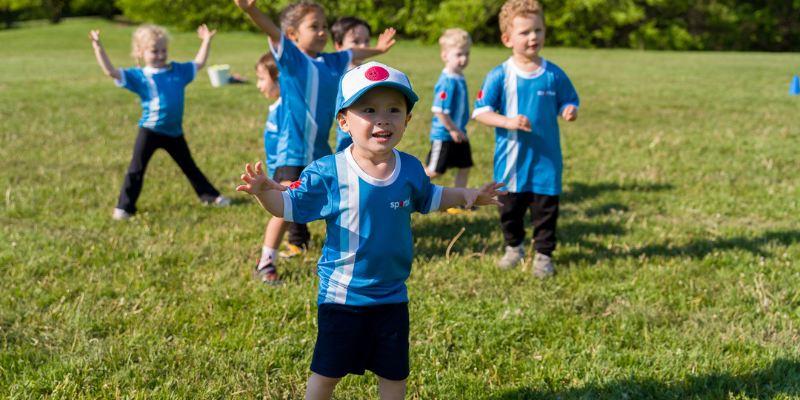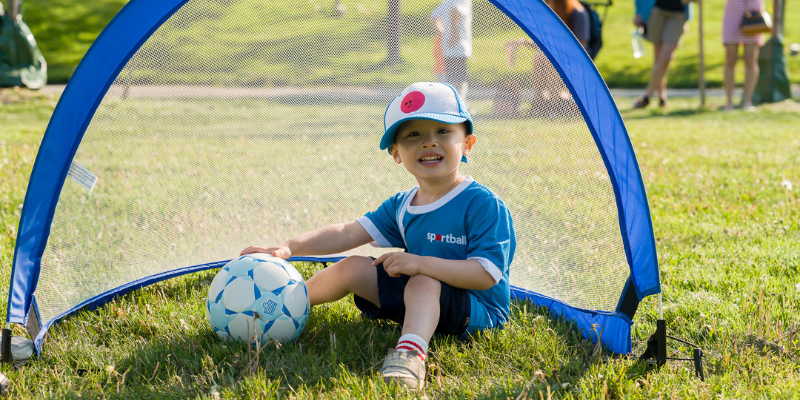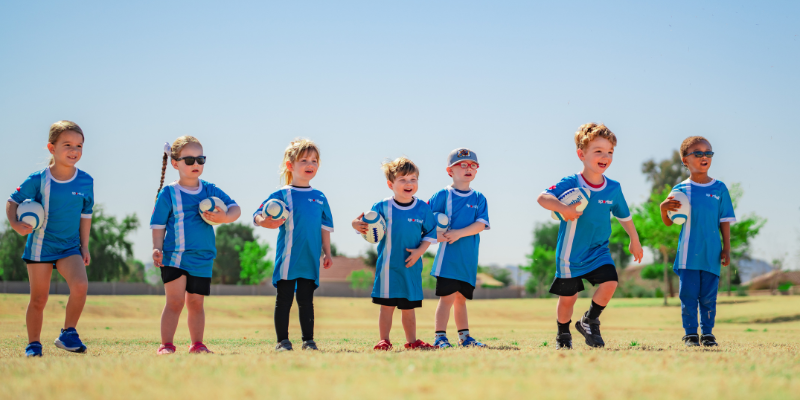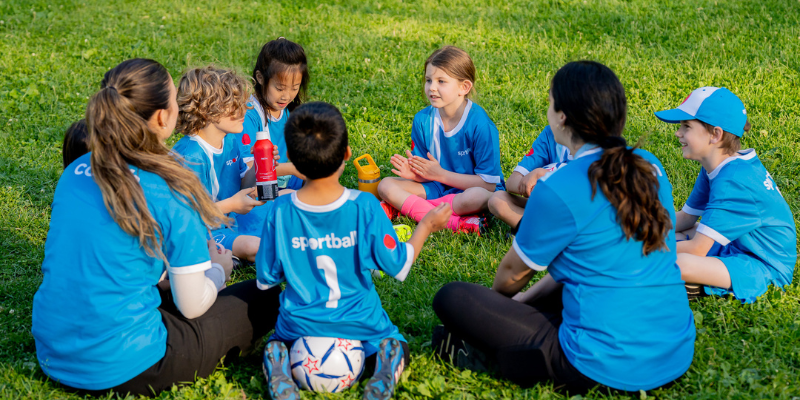

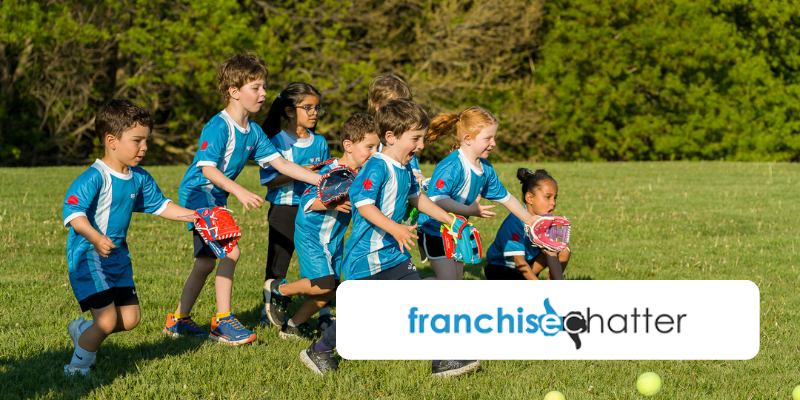
Founded in Toronto in 1995, Sportball is a youth sports program built around a fun-first, multi-sport model designed to help children build physical literacy, confidence, coordination and a lifelong love of movement.
Serving children from 16 months to 12 years old, Sportball introduces kids to a variety of sports in an age-appropriate environment where the focus is not on scoreboards or early specialization, but on helping children develop through play. The brand now operates across four countries and is accelerating its franchise growth in the United States, as more families look for alternatives to high-pressure youth sports.
Jason D’Rocha, Vice President and Growth Coach at Sportball, has spent more than 20 years with the company. In this Q&A, he discusses Sportball’s mission, its U.S. expansion strategy, what makes the model different and why Sportball offers the perfect intersection of purpose and business for future franchisees.
Franchise Chatter (FC): Jason, can you start by telling us about your background and your role with Sportball?
Jason D’Rocha (JD): I’ve been with Sportball for more than 20 years, so I’ve had the privilege of seeing this brand grow from many different angles. My role today is focused on growth, franchise development and helping owners understand how to bring our model into their communities in a way that is both operationally strong and deeply aligned with our mission.
What has kept me here for two decades is the impact. Sportball is not just about teaching a child how to kick, throw, catch or hit. It’s about helping kids develop confidence, social skills, independence and a positive relationship with physical activity. When you see a child who was hesitant at the beginning of a season start running into class with excitement, that is what makes the work meaningful.
FC: For readers who may be new to the brand, what is Sportball?
JD: Sportball is a multi-sport, youth sports program for children ages 16 months to 12 years. Our programs introduce kids to a variety of sports in a way that is developmentally appropriate, fun and designed to build physical literacy.
The big difference is that we are not trying to rush kids into one sport or put pressure on them to compete before they are ready. We focus on giving children positive early experiences with movement. That includes balance, coordination, timing, teamwork, listening skills, confidence and the ability to try new things without fear of failure.
We like to say we are building healthy, confident kids through “Fun with Purpose.” The fun matters, but every class also has intention behind it.
JD: A lot of youth sports programs are built around competition, specialization and performance. Those things can have a place later in a child’s development, but for young children, the starting point should be joy.
At Sportball, we remove the pressure of scoreboards and standings. We want children to learn skills through play, explore different sports and feel good about being active. If a child’s first experience with sports is stressful, intimidating or overly competitive, there is a good chance they may decide sports are not for them.
Our goal is the opposite. We want kids to associate sports with confidence, friendships, movement, encouragement and fun. When that foundation is strong, they are more likely to stay active as they grow.
We want every kid to walk away from each class feeling successful, so we structure our skills building around that. For the youngest of athletes, that may mean collecting balls and putting them into a bucket. By starting with something small that every single kid can achieve, we’re starting them off with confidence, so they’ll feel ready to try the next skill.
FC: Why is the multi-sport model so important?
JD: Multi-sport exposure gives children a broader foundation. When kids play different sports, they develop a wider range of movement skills. Throwing, catching, kicking, tracking, balancing, running, stopping, starting and changing direction all support long-term athletic development.
It also helps children discover what they enjoy. A three-year-old does not need to be locked into one sport. They need the freedom to explore. One week, they may love soccer. The next week, they may be excited about basketball or t-ball. That variety keeps things fresh and helps kids build confidence across different activities and discover what they enjoy.
We are not trying to produce professional athletes. We are trying to produce kids who love moving, who feel capable in their bodies and who see physical activity as a normal, enjoyable part of life. We want our participants to develop a life-long love of movement.
FC: What problem is Sportball solving for families today?
JD: Families are navigating a youth sports culture that can feel intense very early. Parents are hearing that their child needs to specialize younger, train harder and compete sooner. At the same time, kids are facing more screen time, more sedentary habits and in many cases, more pressure.
Sportball gives families a healthier entry point. We provide a place where kids can move, play, learn and grow without the stress that can come with traditional competitive environments.
For parents, it is also a practical solution. They want their children to be active but they also want the experience to be positive. They want coaches who understand child development, classes that are structured and a program that meets kids where they are. That is where Sportball fits.
FC: Sportball is expanding in the U.S. Why is now the right time for that growth?
JD: The U.S. is a natural fit for Sportball. Youth sports are deeply embedded in American culture, and many children grow up looking up to athletes. At the same time, more parents are recognizing that the traditional model does not work for every child, especially at younger ages.
There is growing demand for programs that help kids build skills and confidence without the pressure of early specialization. Sportball offers that alternative. We are giving families a way for kids to learn, grow and experience the joy of play in a positive environment.
We have already built a strong foundation in Canada and other international markets, and now we see a major opportunity to bring the model to more U.S. communities.
FC: What does the current U.S. footprint look like, and where do you see opportunity?
JD: Sportball already has a presence in several U.S. markets, including areas such as Boston, Brooklyn, Phoenix, Southern California, Austin, Katy, North Houston and San Antonio East. We are still in the early stages of what we believe Sportball can become across the United States.
The opportunity is broad because our model is community-based. Sportball can work in large metro areas, suburban communities and markets where families are looking for high-quality enrichment options for children.
We partner with schools, community centers, recreation facilities and other local organizations, so franchise owners have multiple ways to bring programming to families. That flexibility is a major strength of the model.
FC: What investments has Sportball made to support franchise growth?
JD: Over the past few years, Sportball has made significant investments in the systems behind the brand. That includes a refreshed brand identity, updated training and learning management systems, stronger operational support and technology designed specifically for our business.
One major area is our proprietary registration and business management platform. Many companies rely on third-party software and then have to shape their business around the software. We wanted the opposite. We wanted technology that supports the way Sportball operates.
That gives franchise owners better visibility into registration, scheduling, payments, KPIs, revenue, expenses and overall business performance. For a franchise system, that kind of transparency and structure is incredibly important.
FC: Who is the ideal Sportball franchise owner?
JD: The ideal owner is someone who cares about community impact and is willing to follow a system. They do not necessarily need a sports background. In fact, some of the best owners are not former athletes or coaches. What matters most is that they believe in the mission, value child development and want to build a business that makes a difference.
We look for people who are relationship-driven, organized, coachable and comfortable being active in their local community. A Sportball franchise owner needs to build partnerships, support coaches, connect with families and represent the brand with care.
This is a business, of course, but it is a business with a very human purpose. The right owners understand both sides of that.
FC: What kind of support do franchisees receive?
JD: Franchisees receive support across the major areas of the business, including training, curriculum, operations, marketing, technology and ongoing coaching. We provide the programming framework, lesson structure, brand standards and operational tools that help owners launch and grow. We host quarterly franchise town halls and growth labs about every month to share successes and challenges and continue the development of their businesses.
A big part of our support is helping owners understand how to deliver Sportball consistently while still building strong local relationships. Every market is a little different, but the experience families receive should feel unmistakably like Sportball.
We are also very focused on helping owners understand their numbers. The better visibility they have into their business, the better decisions they can make.
FC: What is your long-term vision for Sportball?
JD: Our vision is to reach more children and help shape a generation that sees movement as joyful, social and part of everyday life. We have a goal of reaching 100,000 children annually by 2028, and U.S. growth is a major part of that.
But the number only matters because of what it represents. Every child who joins a class is an opportunity to build confidence. Every family we serve is an opportunity to create a positive relationship with sports. Every franchise owner we bring into the system is an opportunity to make that impact in another community.
If we do our job well, kids don’t just become better at sports. They become more confident, more resilient and more willing to try. That is the real win.
FC: Where can people learn more about Sportball franchise opportunities?
JD: People can learn more by visiting SportballFranchise.com. We are looking for franchise owners who want to build a meaningful business, serve families and help kids develop a lifelong love of movement.
-Franchise Chatter Team. Link to article: https://www.franchisechatter.com/2026/06/09/sportballs-vp-on-why-fun-first-youth-sports-is-the-antidote-to-early-specialization/